
A throbbing getaway to the foothills of the Himalaya into the wild


- Jim Corbett National Park
- P.O.Dhikuli, Via Ramnagar
- District – Nainital
- Pin Code : 244715
- Uttarakhand, India
A throbbing getaway to the foothills of the Himalaya into the wild
The fauna in Corbett Tiger Reserve reflects the rich wildlife, making it one of the most diverse protected ecosystems in the Indian subcontinent. Spread across grasslands, riverine belts, sal forests, and foothills, the park supports a high density of predators, large herbivores, and diverse birdlife, sustained by intact habitats and protected river systems. This biological richness places wildlife in Jim Corbett National Park among the most studied and visited wildlife regions in northern India.
This diversity makes Corbett a cornerstone of Madhya Himalayan wildlife conservation, supporting stable predator - prey dynamics and long - term ecological resilience rather than isolated species protection.
Its location at the intersection of the Himalayan foothills and the Indo-Gangetic plains allows species from multiple ecological zones to coexist, resulting in unusually high biodiversity within a compact landscape.
Among the famous wild animals in Corbett, large predators and herbivores form the core wildlife attractions for visitors.
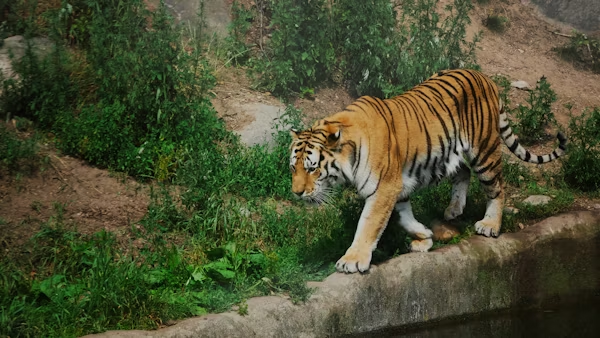
The Bengal tiger is the most famous wild animal in Corbett and the reserve's primary conservation focus. Corbett holds one of the highest tiger densities in India. Tigers are most commonly seen near grasslands, riverbeds, and forest edges during early morning and late afternoon safaris.
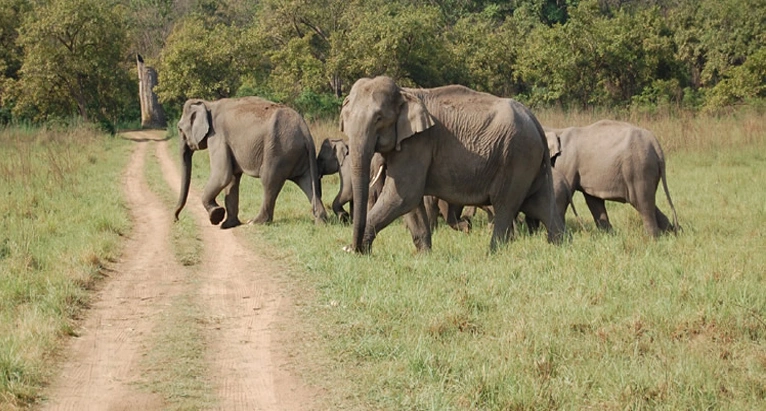
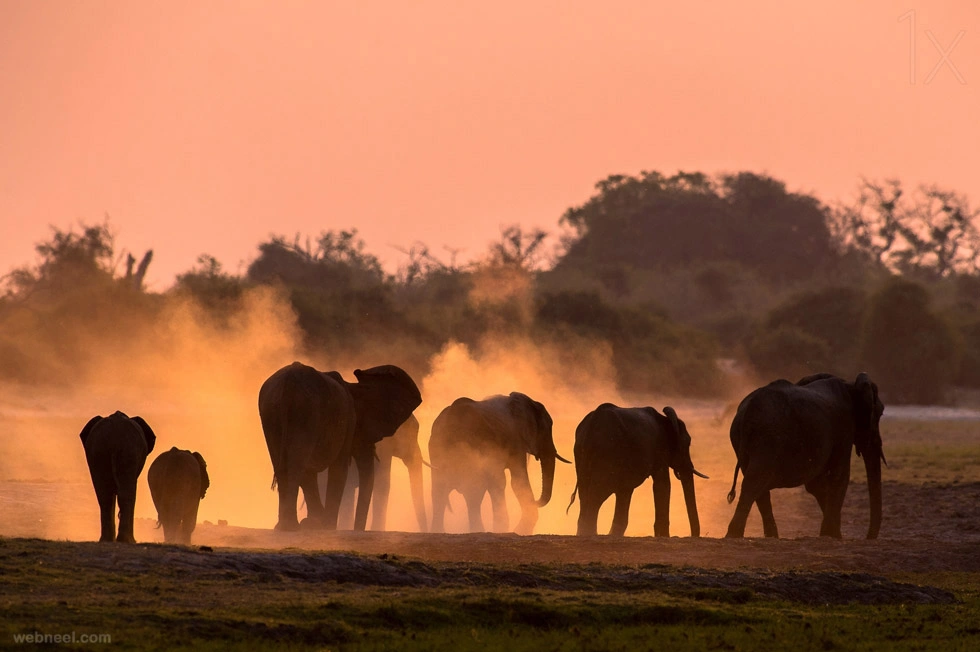
Large herds of Asian elephants roam Corbett's riverine forests and grasslands. Elephant sightings are frequent, especially near the Ramganga River and the Dhikala zone. Corbett plays a critical role as an elephant corridor between forest ranges.
Leopards in Corbett are elusive and highly adaptive. They inhabit dense forest areas and rocky terrain, often overlapping with tiger territories. Sightings are more frequently reported in the Bijrani and Jhirna zones, particularly during early morning safaris.
Sloth bears inhabit wooded areas and are mostly active during early morning and evening hours. They feed on termites, fruits, and honey. Sightings remain occasional but memorable due to their distinct movement and behaviour.
Corbett supports several herbivore populations that form the prey base for large carnivores :
These herbivores form the primary prey base for predators and are among the popular wildlife animals in Corbett National Park commonly seen during safaris.
The Ramganga River hosts both gharials and mugger crocodiles. Gharials, identifiable by their long, narrow snouts, are critically endangered, and Corbett remains an important protected habitat for their continued survival.
Wild boars are widespread across Corbett and play an important ecological role. They are frequently seen foraging near forest edges and open grasslands.
Smooth-coated otters inhabit quieter riverbanks and water channels. Sightings are occasional and typically limited to undisturbed stretches of the Ramganga River.
Corbett serves as an important refuge for several endangered and vulnerable species, including :
The protection of these endangered animals in Jim Corbett National Park remains central to long-term conservation planning in the region.
While mammals draw most visitor attention, birdlife forms a major component of wildlife in Jim Corbett National Park.
Birdwatching peaks between November and February when migratory species arrive, while resident birds remain visible year - round.
Corbett's warm riverine environment supports diverse reptiles :
These species remain essential to maintaining ecological balance within the forest system.
The fauna in Corbett Tiger Reserve represents a complete food chain, from apex predators to herbivores and aquatic species. This balance allows Corbett to function as a self-sustaining ecosystem rather than a curated wildlife enclosure. Its conservation success has influenced wildlife management practices and tiger reserve planning across India.
The most effective way to observe wildlife in Corbett National Park includes :
Responsible tourism remains central to protecting Corbett's wildlife for future generations.
Fauna in Corbett reflects ecological resilience, conservation success, and biological complexity. Beyond sightings, the reserve offers insight into how protected landscapes function when wildlife movement remains largely uninterrupted.
For travellers, photographers, and conservation enthusiasts, Jim Corbett National Park continues to hold long-term significance within India's wildlife conservation framework.
Q. What kind of wildlife is found in Jim Corbett National Park ?
Jim Corbett National Park hosts a wide range of fauna including Bengal tigers, Asian elephants, leopards, sloth bears, deer species, crocodiles, and over 580 species of birds, making it one of India's most biodiverse wildlife reserves.
Q. Which are the most famous wild animals in Corbett ?
The most famous wild animals in Corbett include the Bengal tiger, Asian elephant, leopard, gharial, sambar deer, spotted deer, and wild boar. Tigers and elephants remain the primary attractions.
Q. How many animal species live in Jim Corbett National Park ?
Jim Corbett Tiger Reserve has one of the highest tiger densities in India. Tiger sightings depend on season, zone, and timing, with Dhikala, Bijrani, and Jhirna zones offering strong possibilities.
Q. Are there endangered animals in Jim Corbett National Park ?
Yes. Endangered animals in Jim Corbett National Park include the Bengal tiger, Asian elephant, gharial, pangolin, and Himalayan black bear, all protected under national conservation programs.
Q. What herbivores are commonly seen in Corbett Tiger Reserve ?
Common herbivores in Corbett include sambar deer, chital, hog deer, barking deer, nilgai, and wild boar, forming the primary prey base for carnivores.
Q. Does Jim Corbett National Park have reptiles ?
Yes. The fauna in Corbett Tiger Reserve includes reptiles such as gharial, mugger crocodile, Indian python, monitor lizard, king cobra, and common krait, especially around riverine zones.
Q. Is Corbett suitable for birdwatching ?
The wildlife of Jim Corbett National Park includes exceptional bird diversity, making it a major birdwatching destination. Winter months attract migratory birds, while resident species remain visible year-round.
Q. Which zones are best for wildlife sightings in Corbett ?
Dhikala is known for elephants and grassland species, Bijrani offers mixed forest sightings, Jhirna remains active year-round, and Dhela provides increasing leopard and deer sightings.
Q. Why is Corbett important for wildlife conservation ?
Fauna in Corbett Tiger Reserve represents a successful conservation model with intact predator-prey dynamics, protected migration corridors, and long-term ecological stability, influencing wildlife management across India.