
A throbbing getaway to the foothills of the Himalaya into the wild


- Jim Corbett National Park
- P.O.Dhikuli, Via Ramnagar
- District – Nainital
- Pin Code : 244715
- Uttarakhand, India
A throbbing getaway to the foothills of the Himalaya into the wild
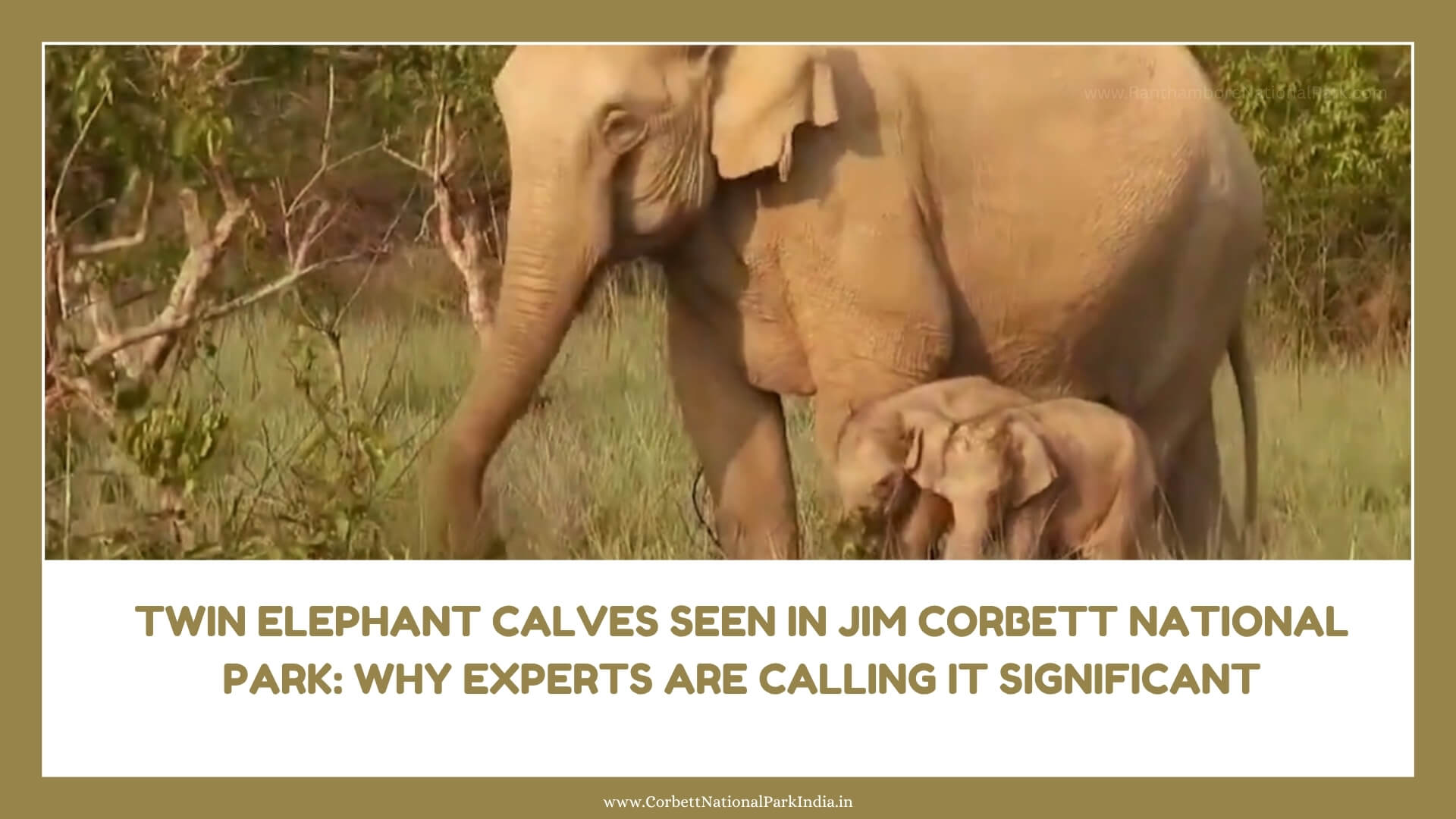
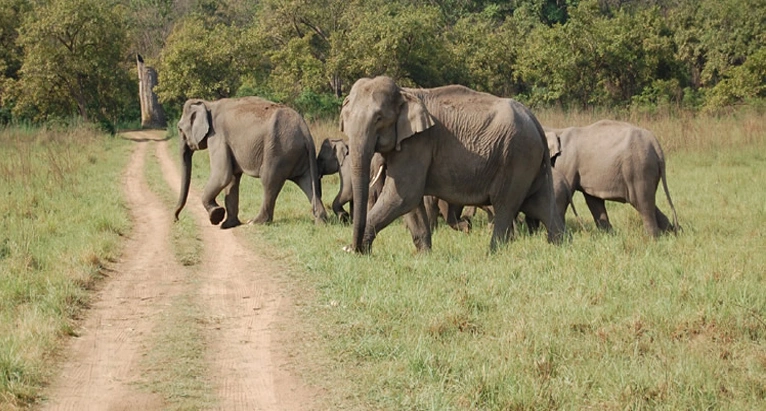
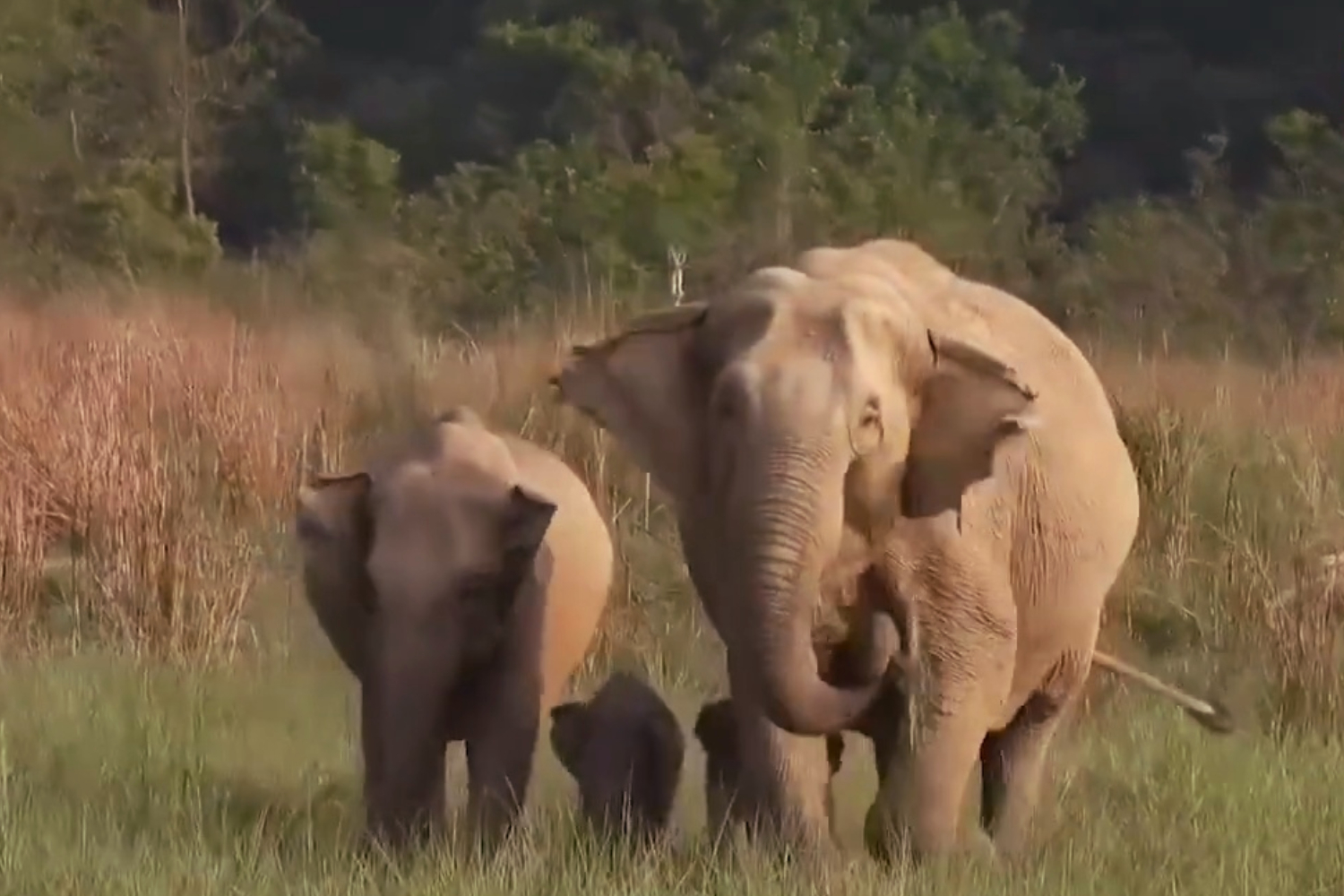
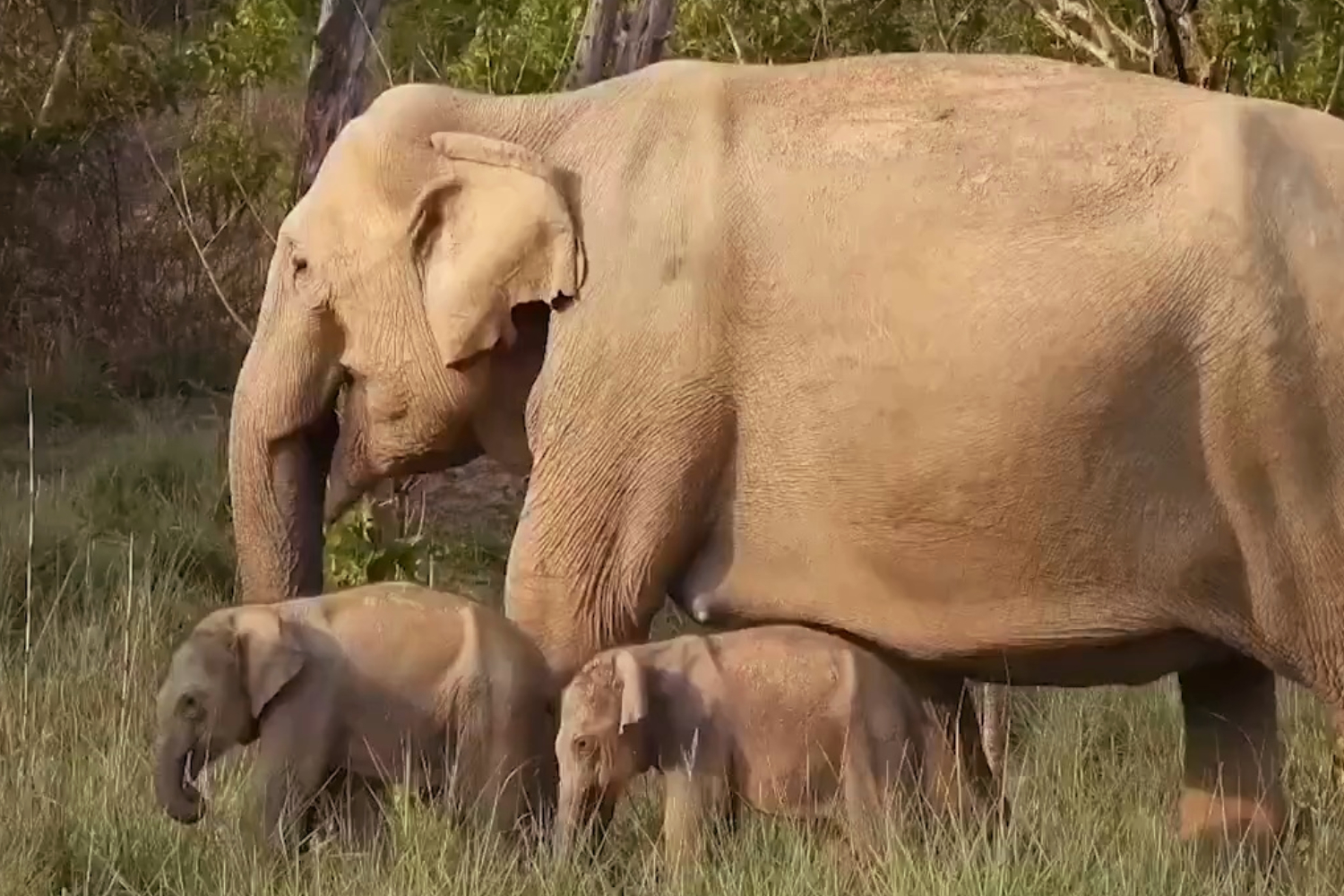
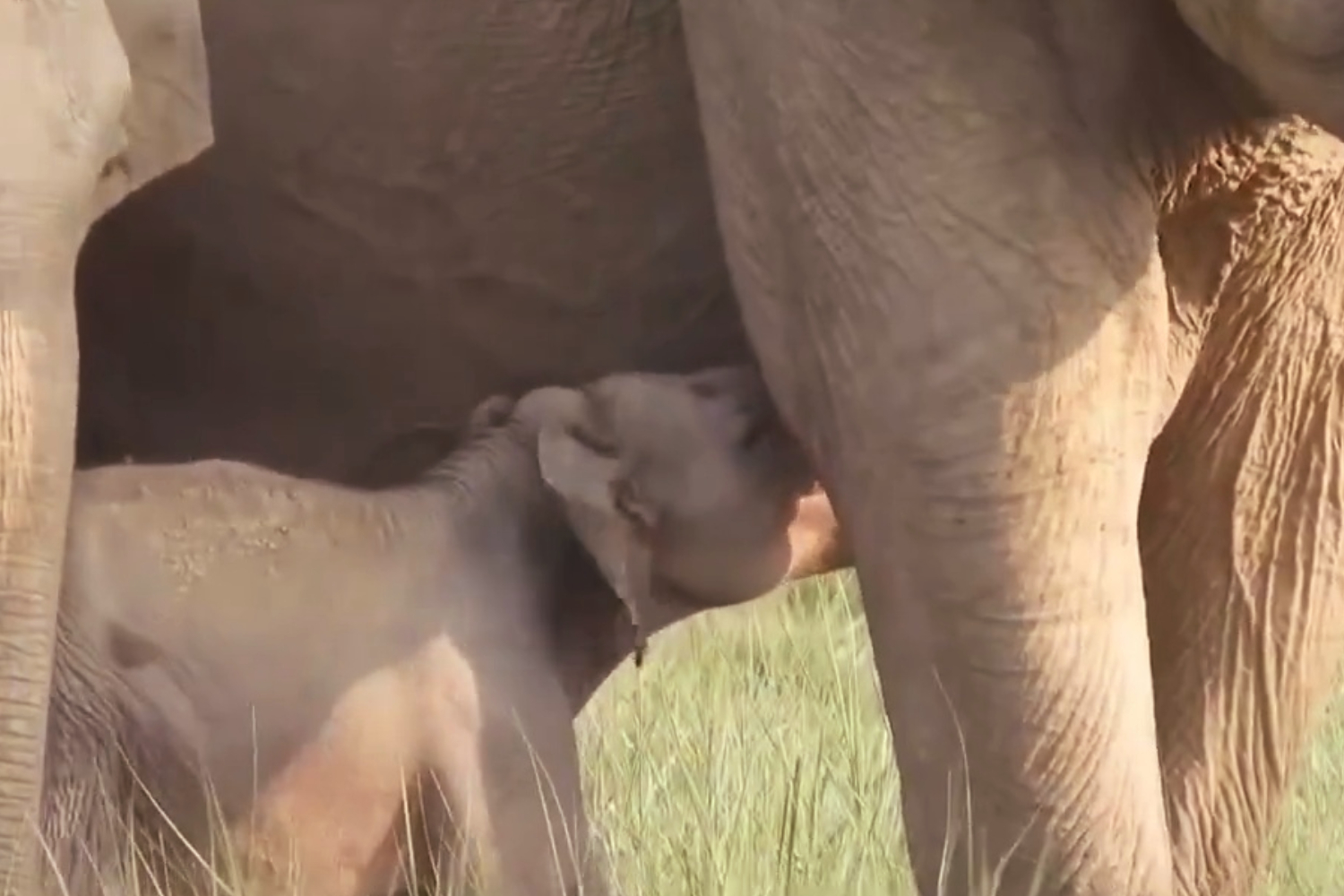
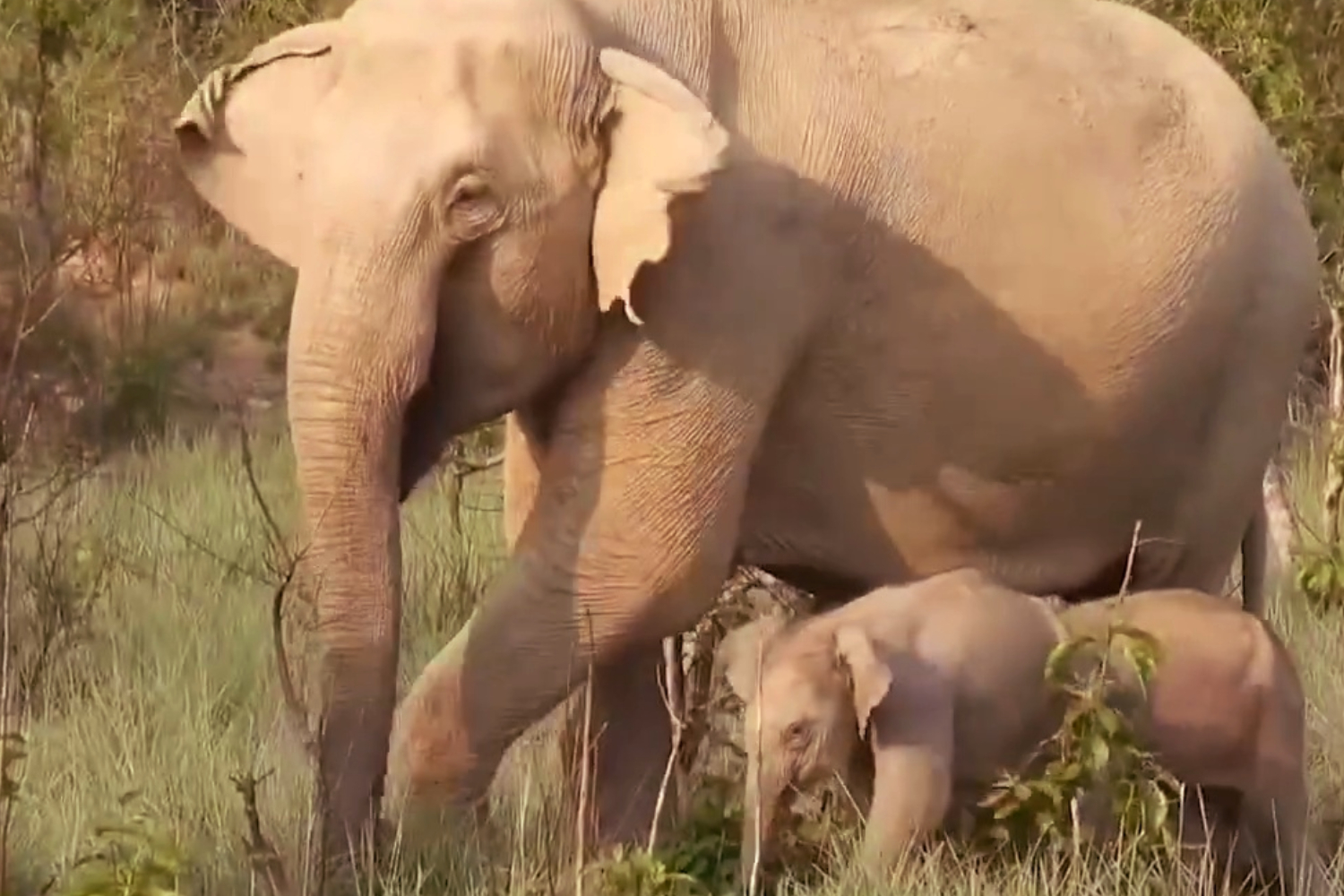
Somewhere inside the forests of Corbett National Park, a mother elephant is doing something that happens in barely one percent of elephant pregnancies: raising two newborn calves at the same time.
The rare sighting, recorded during a jungle safari in Corbett’s Garjiya tourism zone earlier this week, quickly spread across social media after wildlife enthusiast Sanjay Chhimwal captured the elephant moving cautiously through the forest with both calves beside her.
While the videos have drawn excitement from tourists and wildlife lovers across India, conservationists say the moment is significant for another reason too. Rare twin elephant births in the wild often reveal deeper insights into habitat quality, ecosystem health, and the growing challenge of balancing wildlife tourism with conservation.
According to Dr. Saket Badola, Director of Corbett Tiger Reserve, elephants generally give birth to a single calf after a gestation period of nearly 22 months.
“Twin births occur in barely one percent of elephant pregnancies,” he said, calling the arrival of two healthy calves a highly unusual wildlife event.
Wildlife experts explain that raising even one calf requires enormous nutritional and physical support from the mother elephant. In the wild, the survival of twin calves becomes far more challenging due to higher nutritional demands, movement through forest terrain, and the need for constant protection.
This is one reason the Corbett sighting has attracted attention from conservationists and researchers across India.
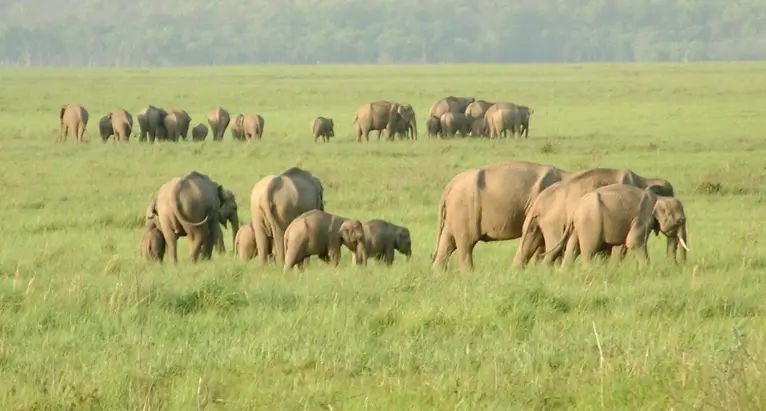
The larger Corbett landscape forms part of the Shivalik Elephant Reserve and supports one of the highest elephant populations in Uttarakhand, with more than 1,200 elephants recorded across the region.
Wildlife expert Ranganath Pandey noted that successful twin births are more likely in habitats with strong vegetation cover, reliable water sources, healthy movement corridors, and relatively stable ecological conditions. For conservationists, the sighting is being viewed as a positive indicator of habitat quality inside the reserve.
Although Corbett is globally known for tiger safaris, it also plays a critical role in elephant conservation in northern India.
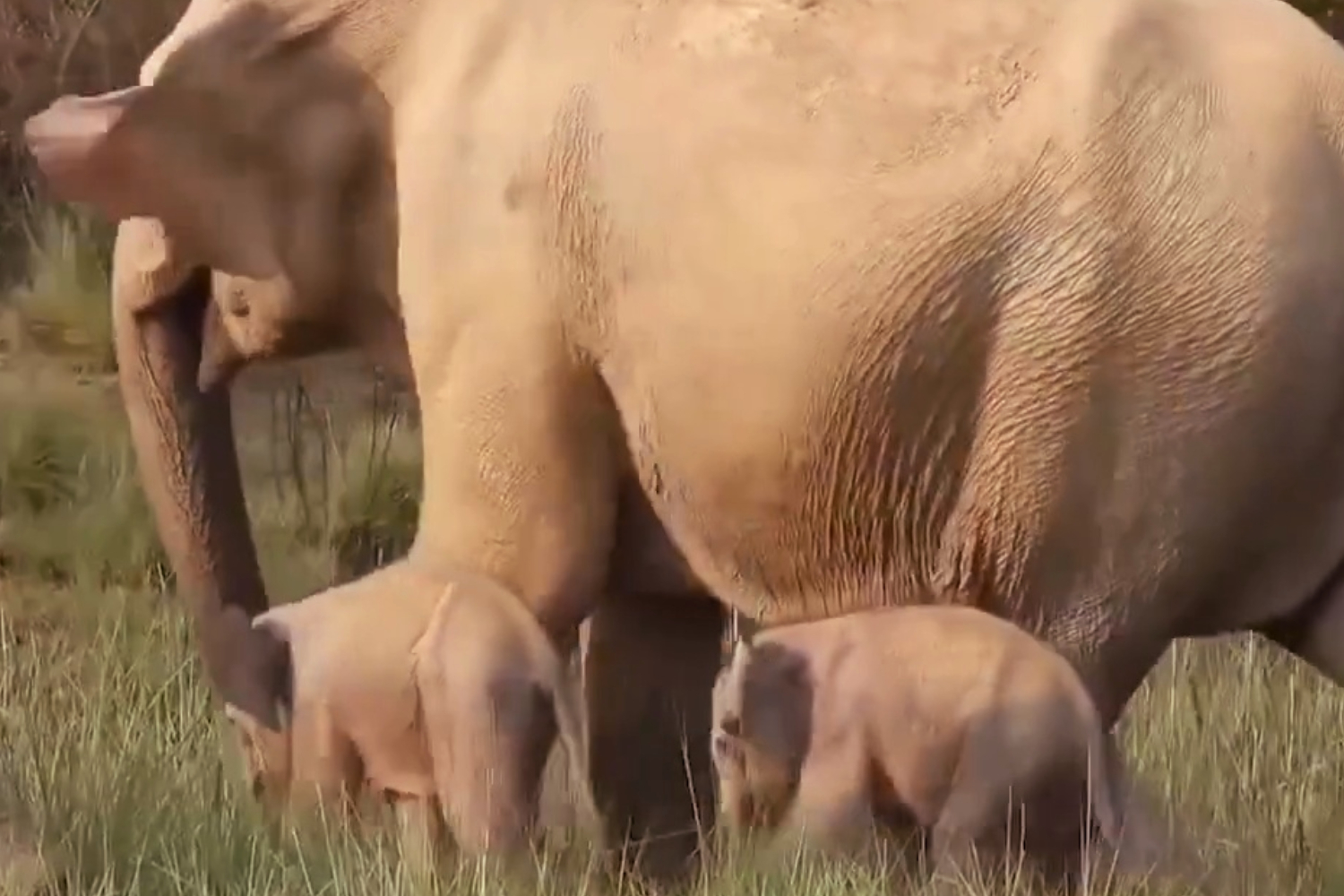
Twin elephant births have occasionally been documented in India over the years, including reported cases from Karnataka’s Bandipur landscape and parts of northeast India. However, wildlife experts note that the successful survival of both calves in the wild remains extremely uncommon due to the high nutritional and protective demands placed on the mother.
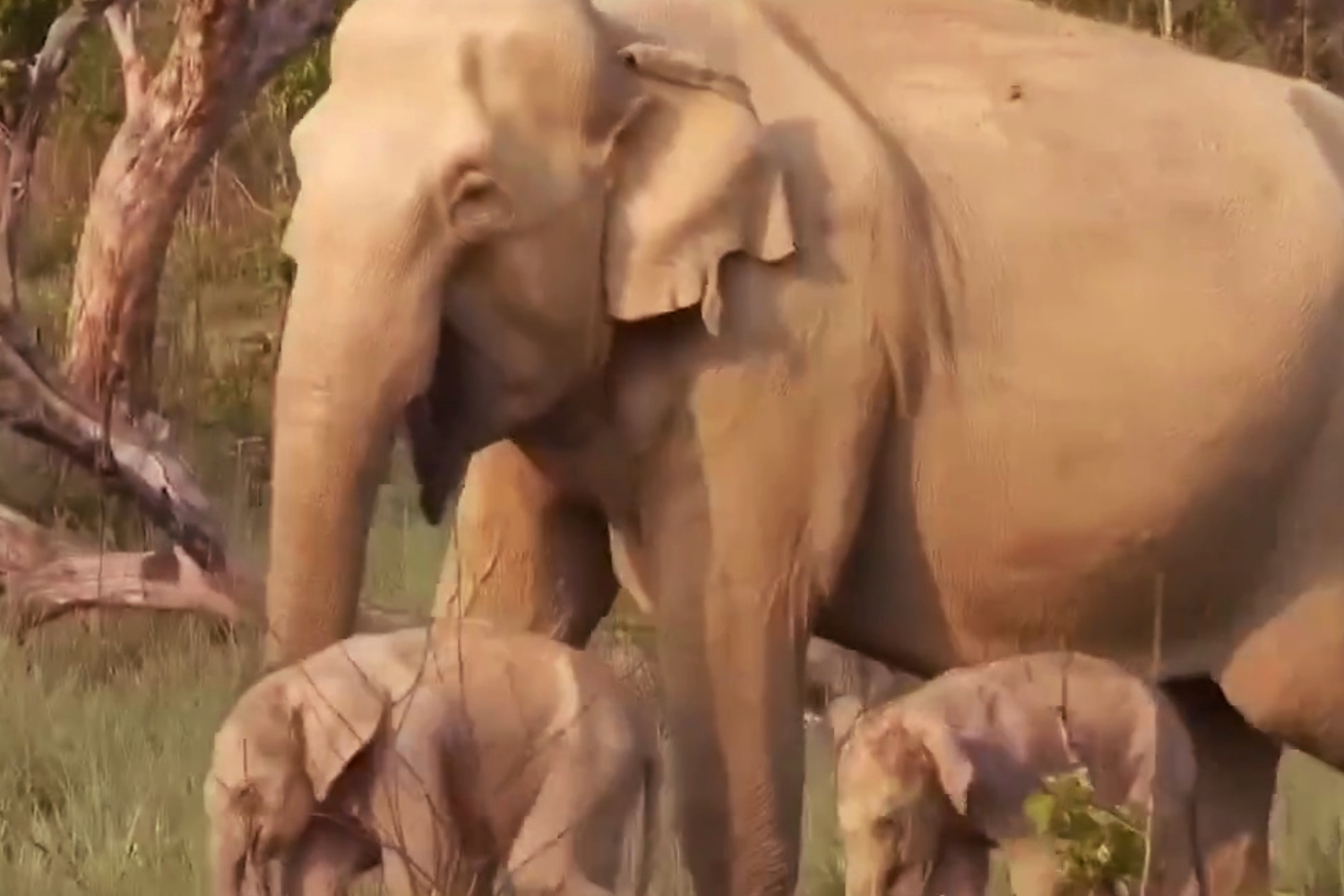
The viral elephant sighting has also renewed conversations around responsible wildlife tourism in India. Following the circulation of safari videos online, tourist interest in Corbett National Park has reportedly increased, especially around the Garjiya tourism zone where the sighting occurred.
Wildlife tourism plays an important role in supporting local livelihoods, safari operators, guides, and conservation-linked tourism economies across Uttarakhand. However, experts also caution that excessive tourist pressure around sensitive wildlife sightings can disturb animals, particularly mothers with newborn calves.
Forest officials are monitoring safari movement in the area to minimise disturbance and maintain safe viewing distances.
Conservationists say this balance between tourism and habitat protection is becoming increasingly important in popular wildlife reserves like Corbett.
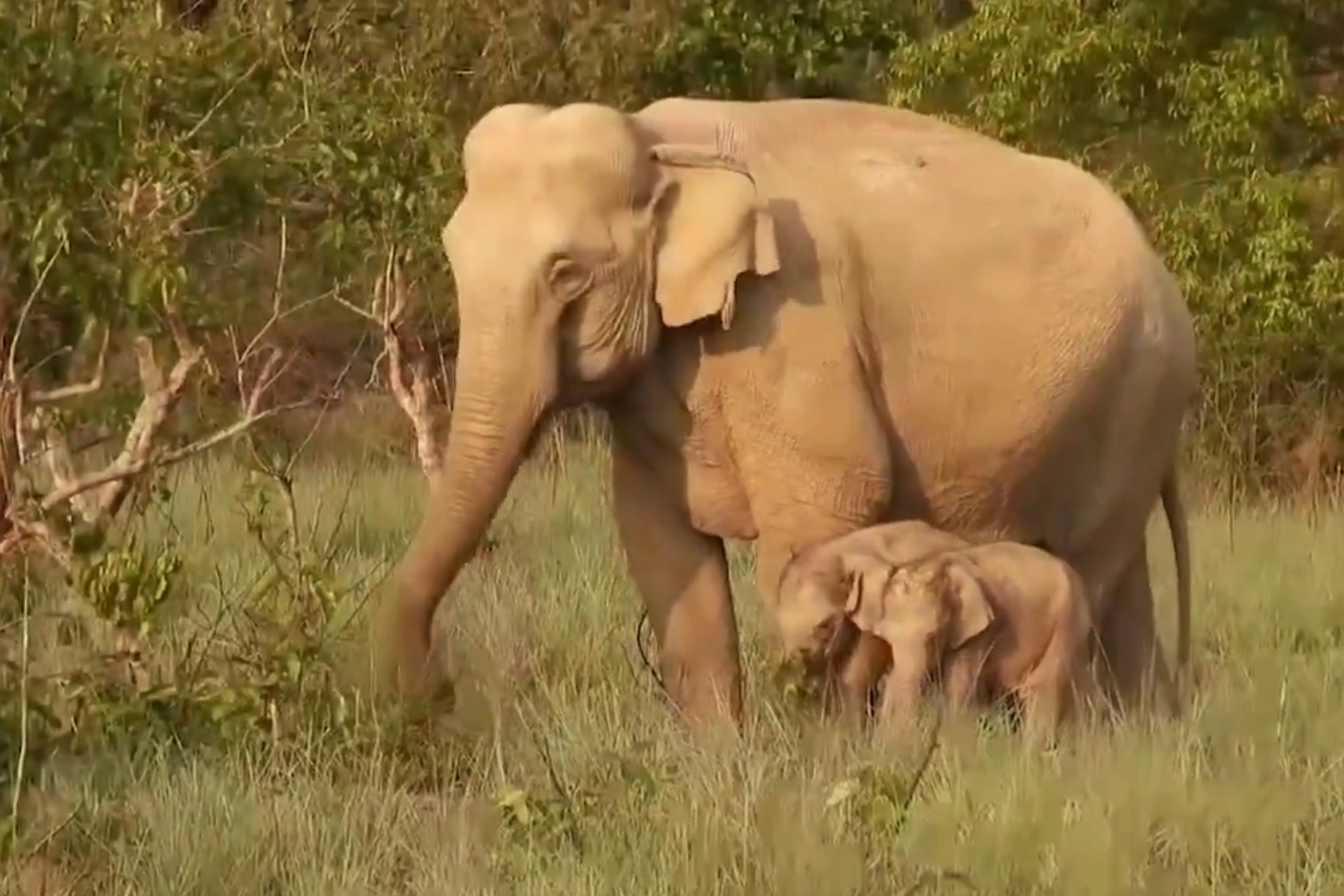
The sight of a mother elephant moving through Corbett’s forests with twin calves may have become a viral wildlife moment, but conservationists say it also highlights the importance of protecting India’s remaining wildlife habitats.
Rare sightings like these depend on functioning ecosystems, protected corridors, and responsible conservation practices that allow wildlife to survive with minimal disturbance.
For many travellers, the viral videos may simply be a rare wildlife moment from Corbett National Park. For conservationists, however, the sighting represents something far more important: proof that protected habitats still have the ability to support extraordinary natural events when ecosystems are allowed to function with minimal disturbance.
And in a time of shrinking forests and increasing tourism pressure, that may be the real story behind Corbett’s twin elephant calves.
Experts recommend that visitors follow responsible safari practices while visiting Corbett National Park, including:
Responsible wildlife tourism not only reduces stress on animals but also helps support long-term conservation efforts and local communities connected to the reserve.
Because the goal of a safari should not simply be getting the closest photograph. Nature already tolerates humans more than it realistically should.
Travellers inspired by the rare elephant sighting can explore responsible wildlife experiences in Corbett through guided jeep safaris, eco-conscious jungle stays, birdwatching tours, and naturalist-led forest walks.
Our Corbett wildlife tours are designed around responsible safari practices, helping travelers experience the park while respecting its fragile ecosystem and wildlife movement patterns.
Visitors can also refer to official Corbett Tiger Reserve safari guidelines and booking resources before planning their trip.

Twin Elephant Calves Seen in Jim Corbett National Park: Why Experts Are Calling It Significant
Meet 'Hercules': The Giant Tiger of Jim Corbett National Park That’s Captivating Visitors
The Evolution of Corbett National Park: A Journey from Mayhem to Tranquillity.
Tiger Conservation in Uttarakhand- Protecting Big Cats from the Brink of Extinction.

Tourist Attractions in and around Jim Corbett National Park.
India – Tigers Very Own Country
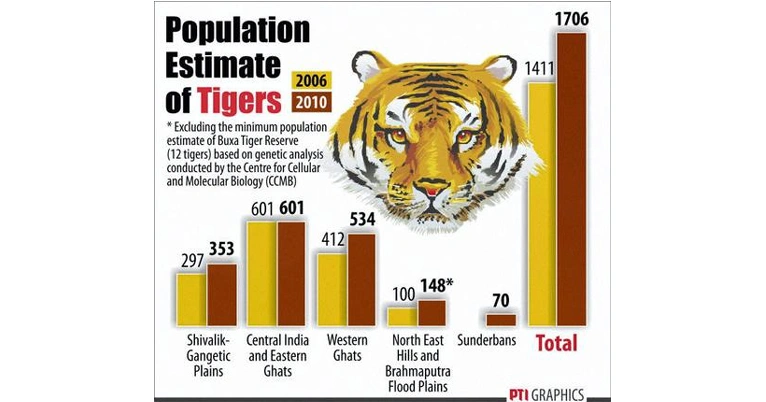
Wildlife Conservation Projects in Corbett- Saving the Wilderness!

Edward James Corbett – The Man behind the Jim Corbett National Park.
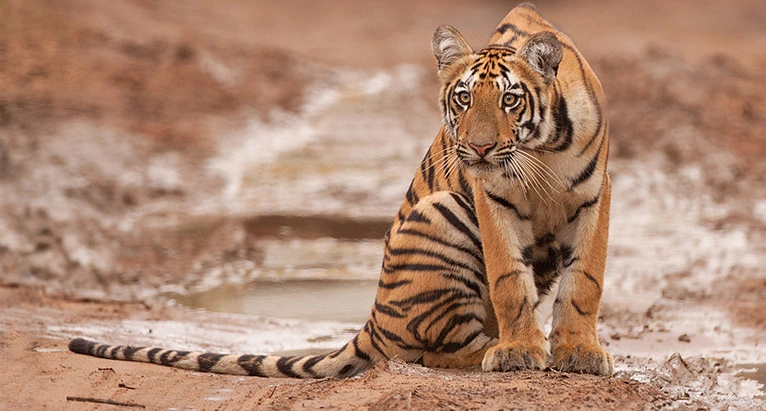
Corbett National Park – Tigers by the Tale.

Popular Hill Stations to Visit Near Corbett National Park
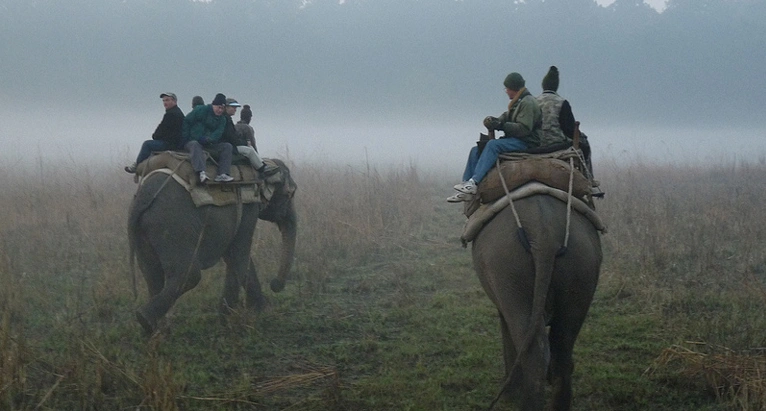
Can You Visit Corbett During the Monsoon Season?

A Detailed Guide to Wildlife Photography in Corbett National Park
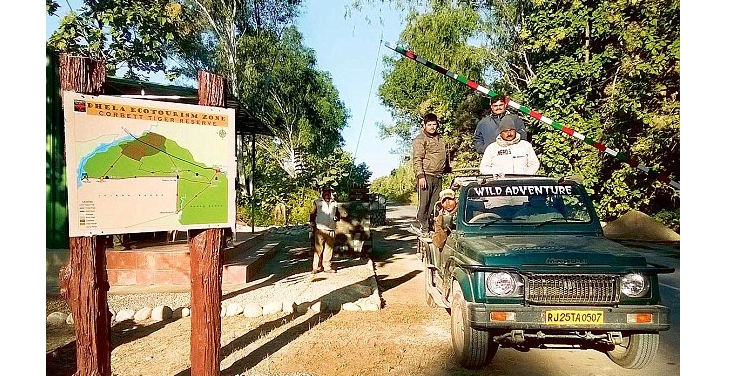
Corbett National Park Opens the New Zone, Dhela for Tourists
Wildlife Tours in India at a Glance
Are You Planning A Trip To Corbett? Here are Things to Bear in Mind Before You Go
Rivers in and around Corbett: Lifeline for the Thriving Wildlife!
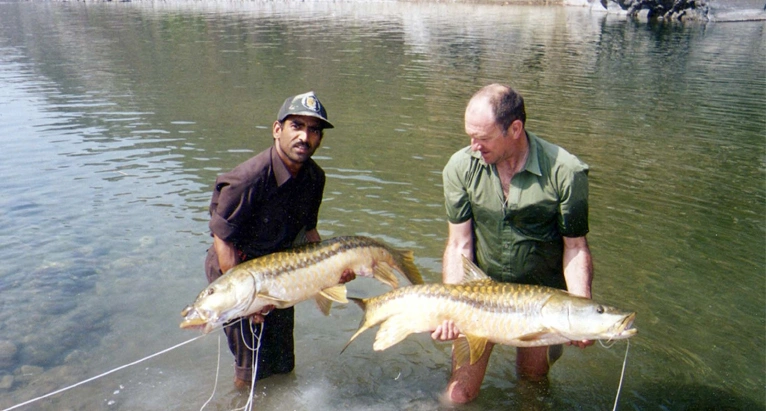
Corbett- A Perfect Destination For Fishing & Angling
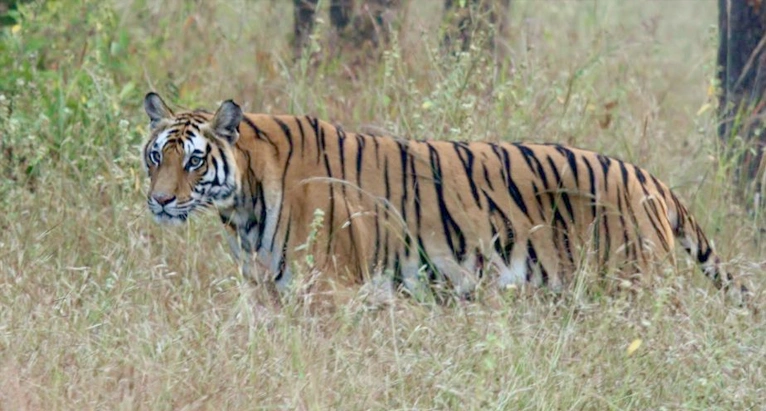
How to Better Facilitate Wildlife Sighting
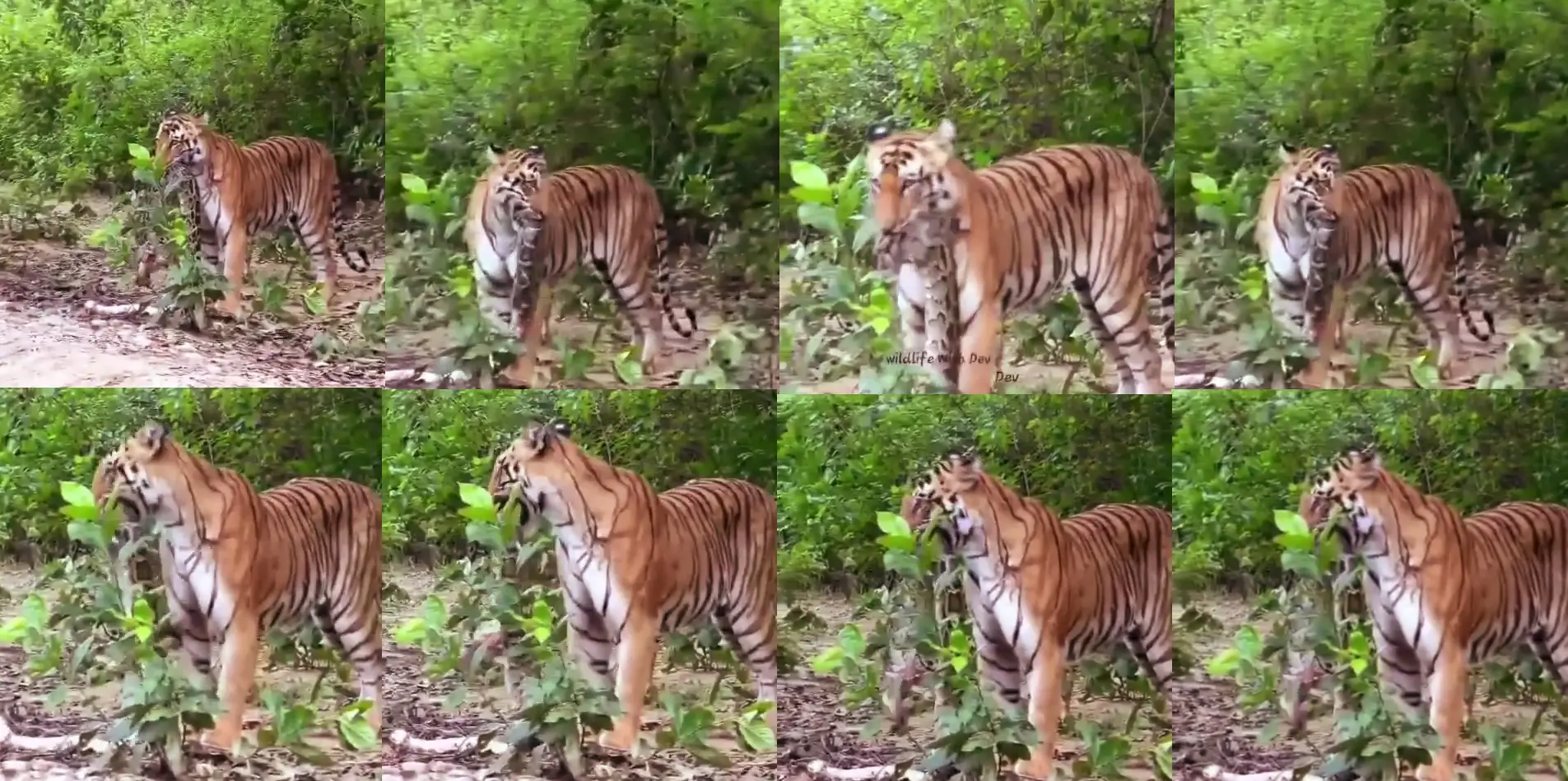
Tiger Hunts Python in Corbett's Jhirna Zone: Rare Safari Footage from Uttarakhand Goes Viral